Category: MYSTICAL OFFERINGS
-
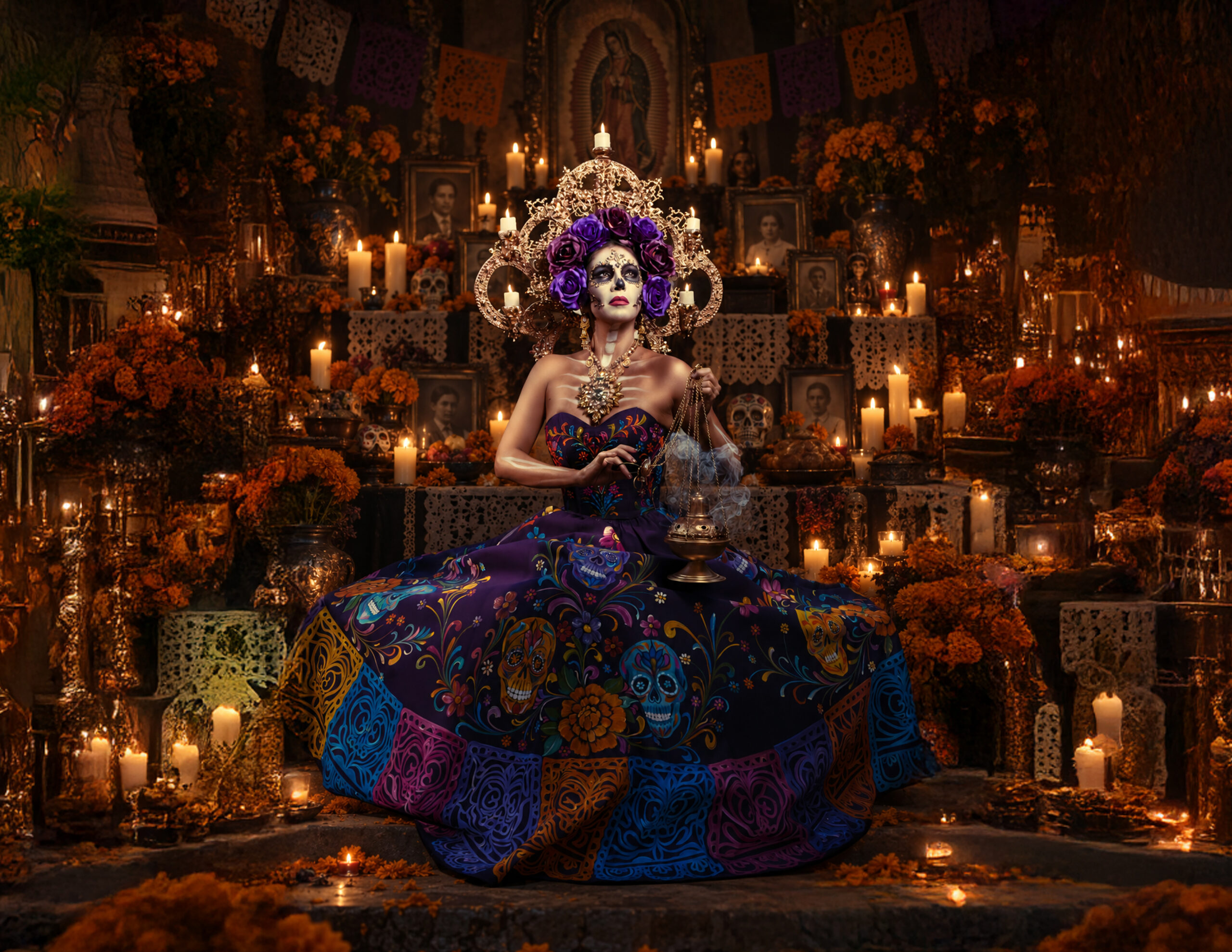
ANIMAS
Catrina Ánimas gives physical form to this moment of reunion. She embodies the belief that on Día de Muertos, memory is expressed through tangible acts: lighting a candle, placing a photograph, preparing a familiar meal, arranging flowers and opening the home symbolically to those who came before. On November 2, the altar becomes the meeting…
-
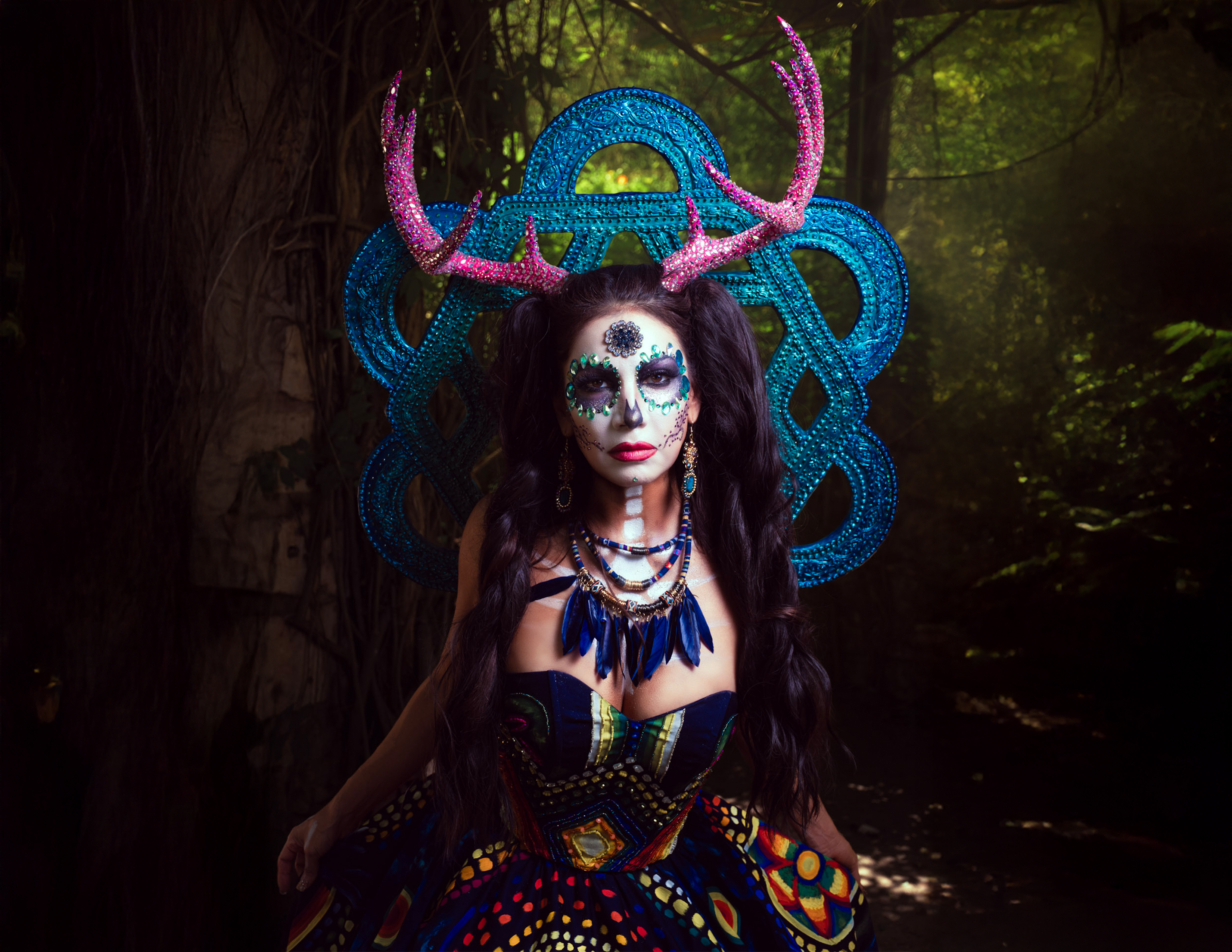
WIXARIKA
Catrina Wixárika honors the sacred symbols and living traditions of the Wixárika people through a couture icon inspired by the blue deer, peyote, and Tsikuri, reflecting a profound connection between humanity, nature, spirituality, and the cosmos.
-
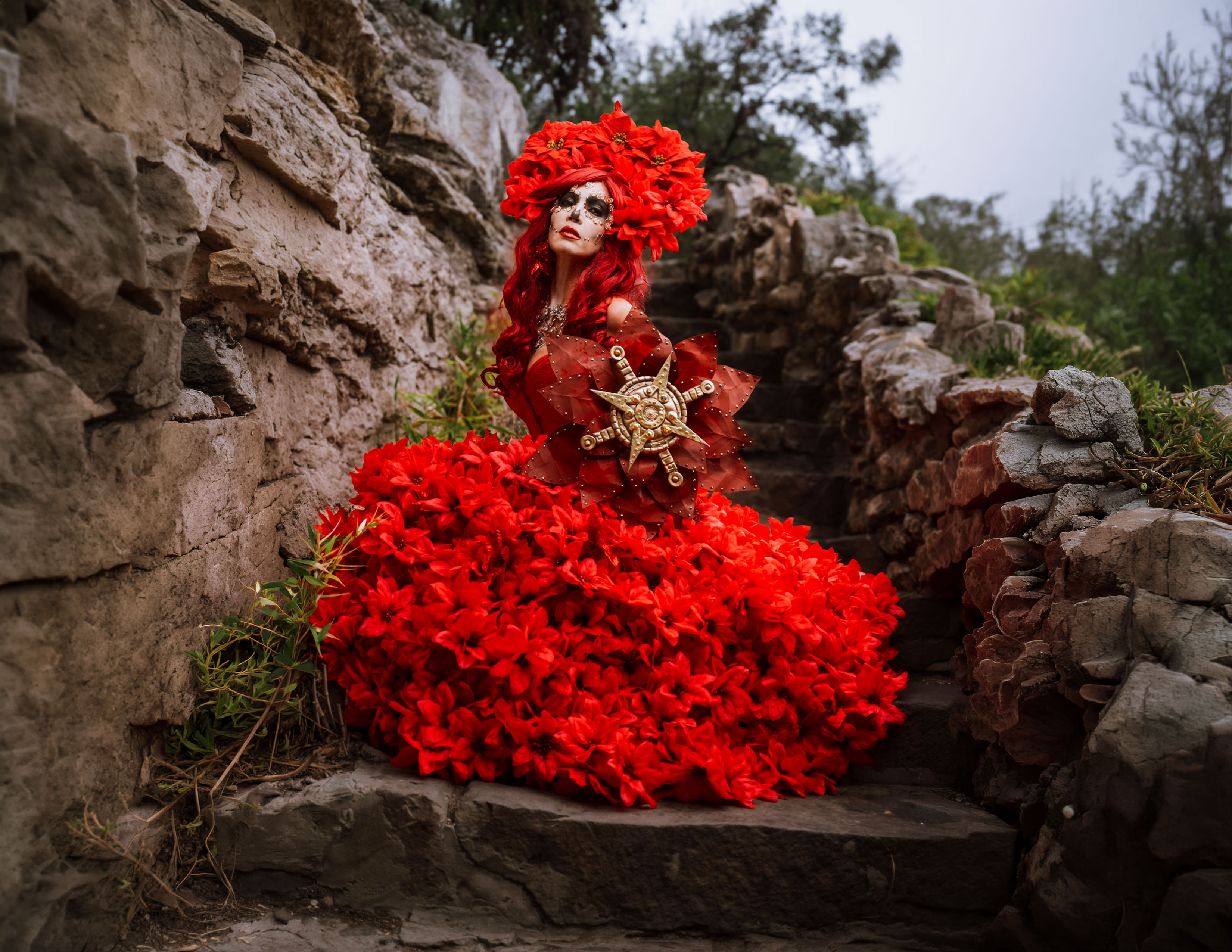
CUETLAXOCHITL
Catrina Cuetlaxóchitl honors the ancestral flower Mexico gifted to the world, known today as the poinsettia or flor de Nochebuena. Rooted in Mexica tradition and later embraced within Christmas celebrations, this iconic bloom reflects a journey of transformation across cultures and generations. Part of the Inspiring Heritage and Xochitl collections, Catrina Cuetlaxóchitl celebrates the enduring…
-
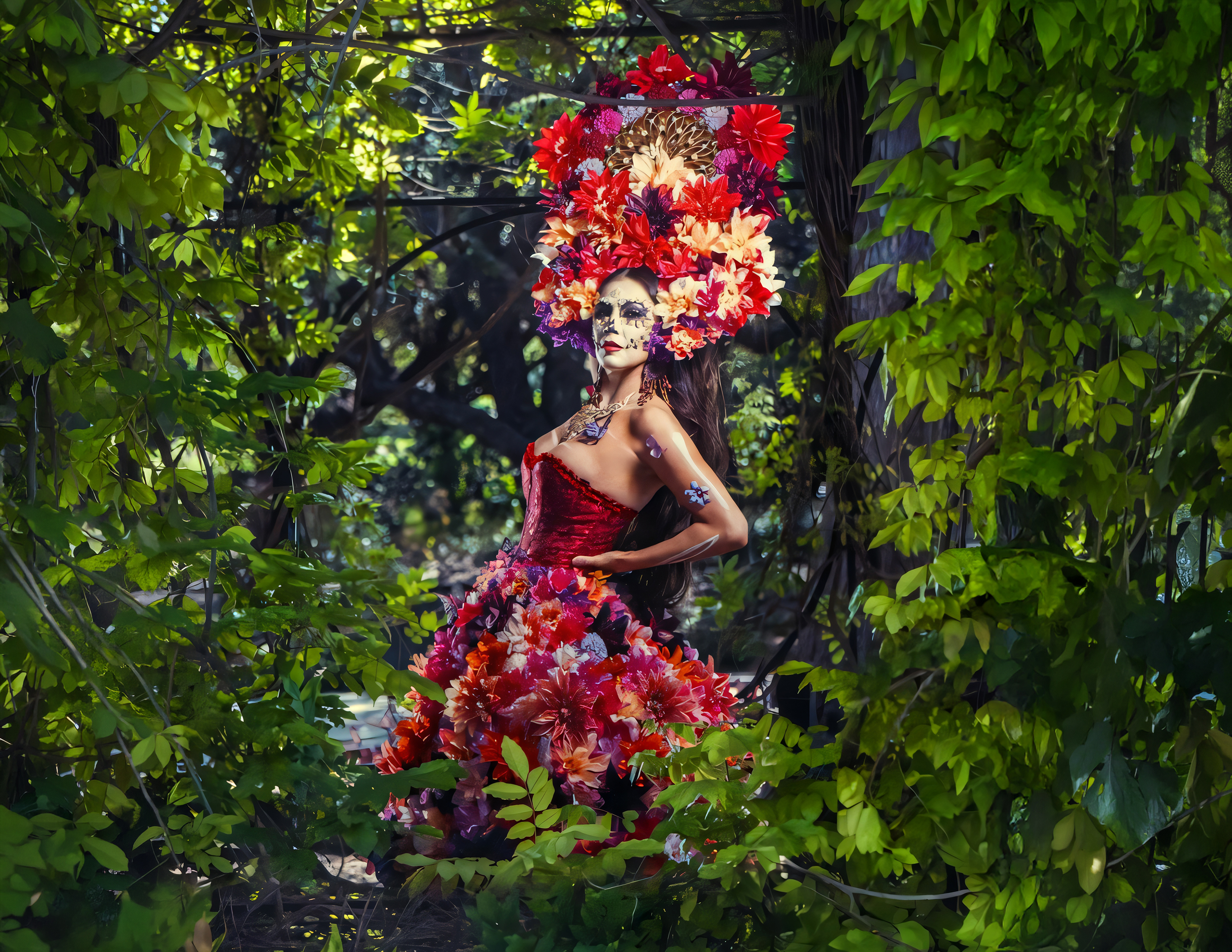
ACOCOXOCHITL
Catrina Acocoxóchitl honors the dahlia, the national flower of Mexico and an ancestral bloom deeply rooted in Indigenous history and cultural memory. Part of the Inspiring Heritage and Xochitl collections, this icon celebrates the beauty, resilience, and diversity of Mexico through a flower once used for nourishment, medicine, and irrigation by the Mexica. Inspired by…
-
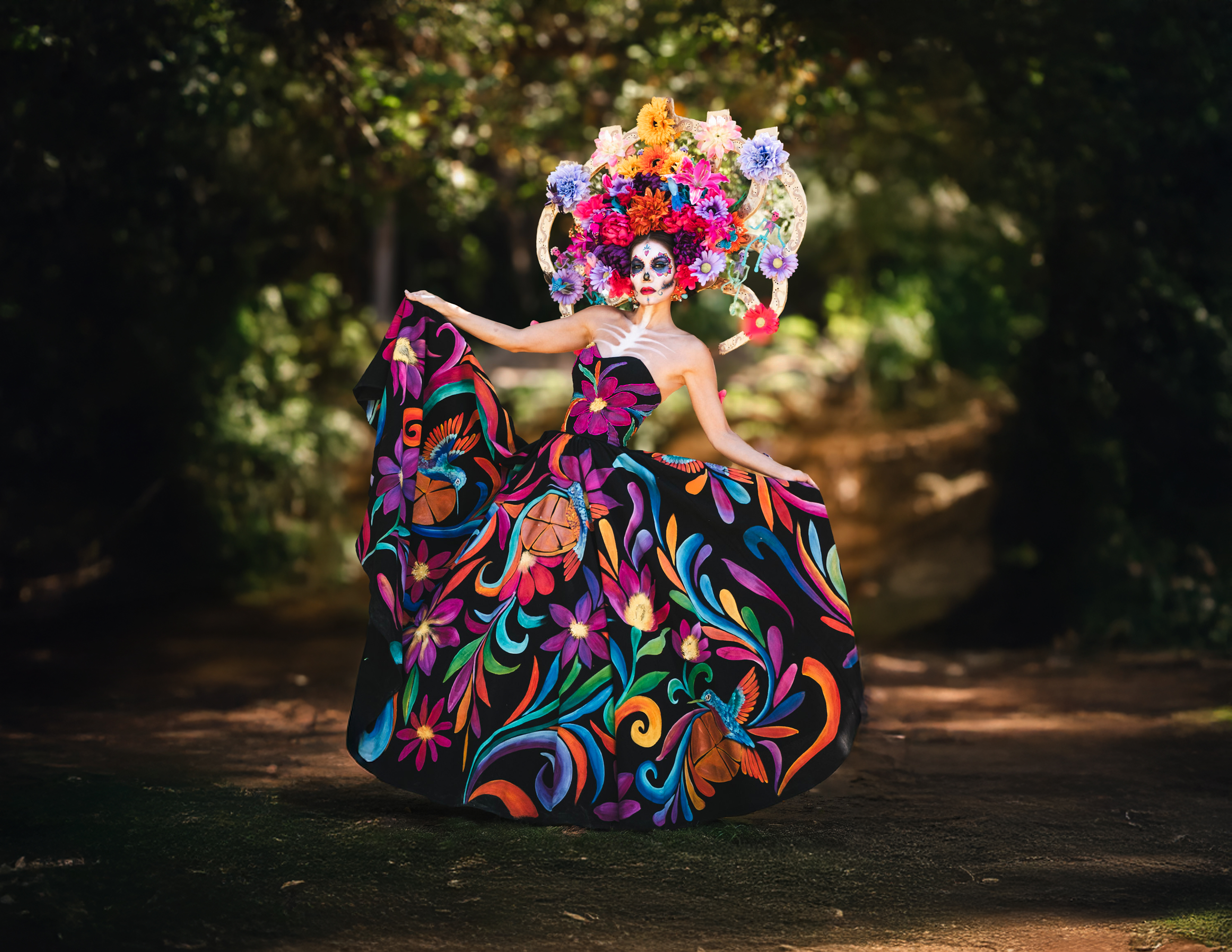
OTOMI
Catrina Otomí is part of the Voices of Mexico collection and celebrates the creative spirit of the Otomí people, one of Mexico’s oldest Indigenous groups whose roots reach back thousands of years, long before the rise of the Aztec Empire.
-
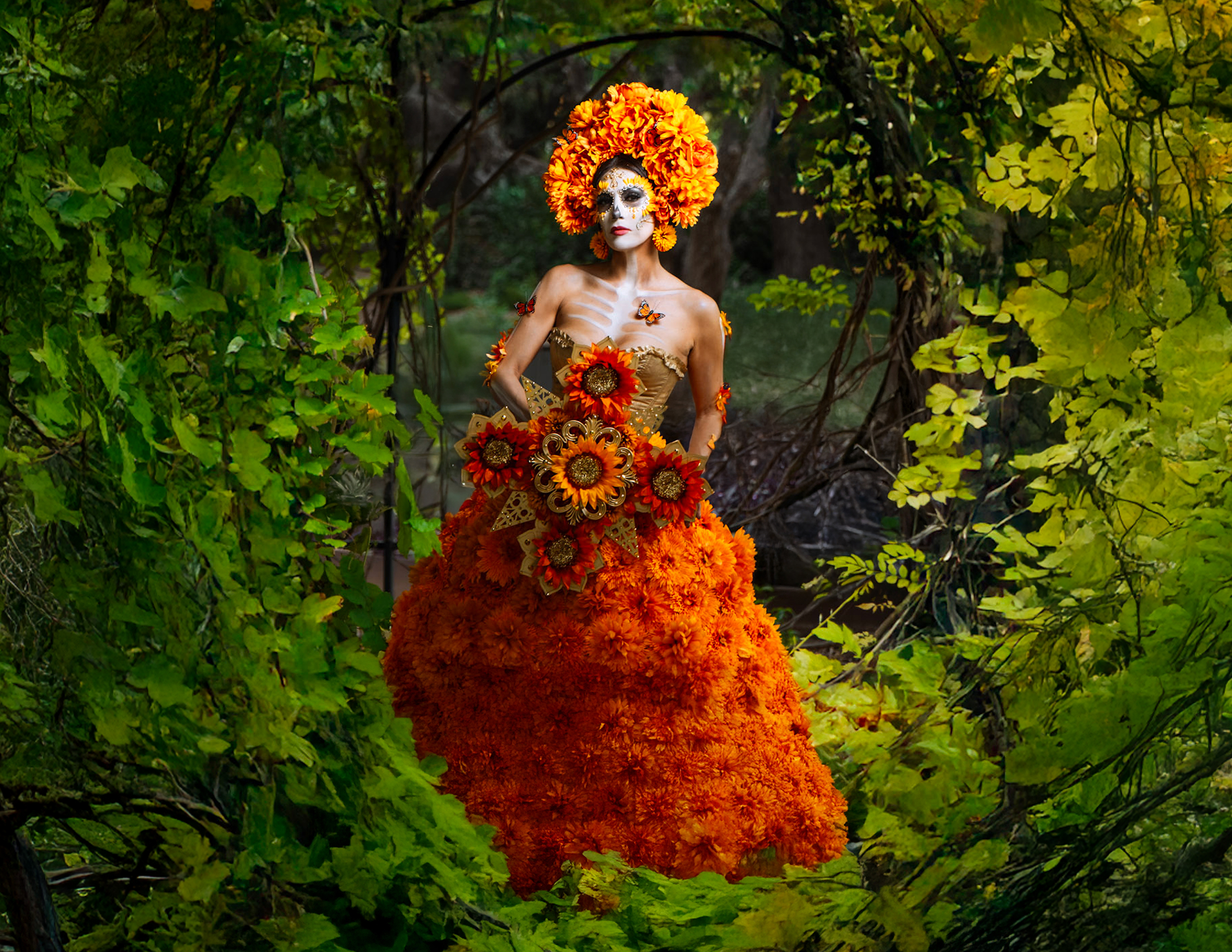
CEMPASUCHIL
Our very own interpretation of the marigold Catrina, Catrina Cempasuchil (from the Nahuatl word Cempasuchitl) is a luminous homage to one of Mexico’s most revered flowers. For the Aztecs, the cempasuchil was more than a bloom, it was the sun’s reflection on earth, a bridge between the living and the dead. Known as the “flower…
-
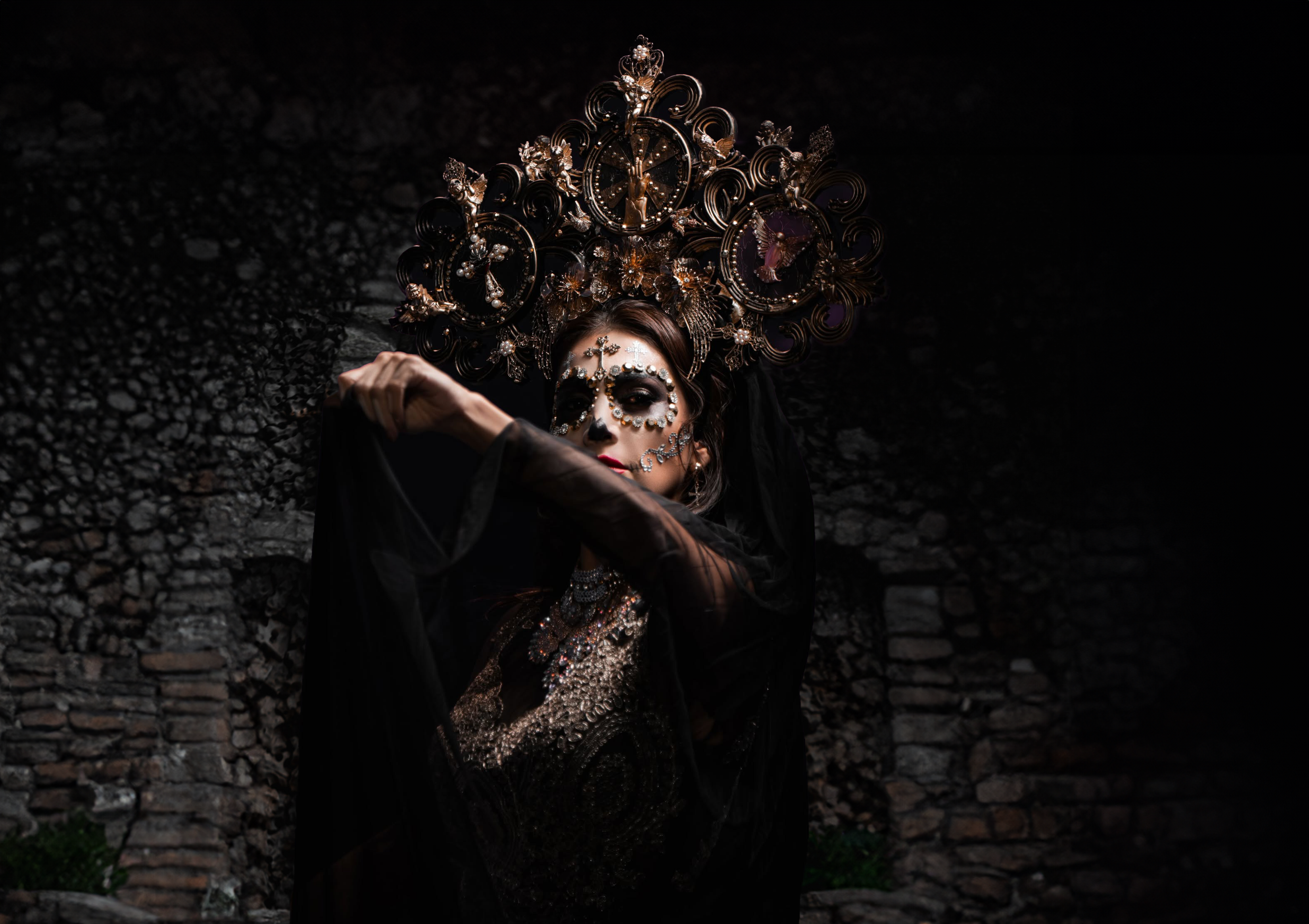
TRINIDAD
This icon symbolizes the powerful intersection of faith, tradition, and artistry representing the Father, Son, and Holy Spirit. Adorned with symbolic motifs like halos, crosses, and celestial patterns, this Catrina embodies reverence, spiritual unity, and the eternal connection between life and the divine.
-
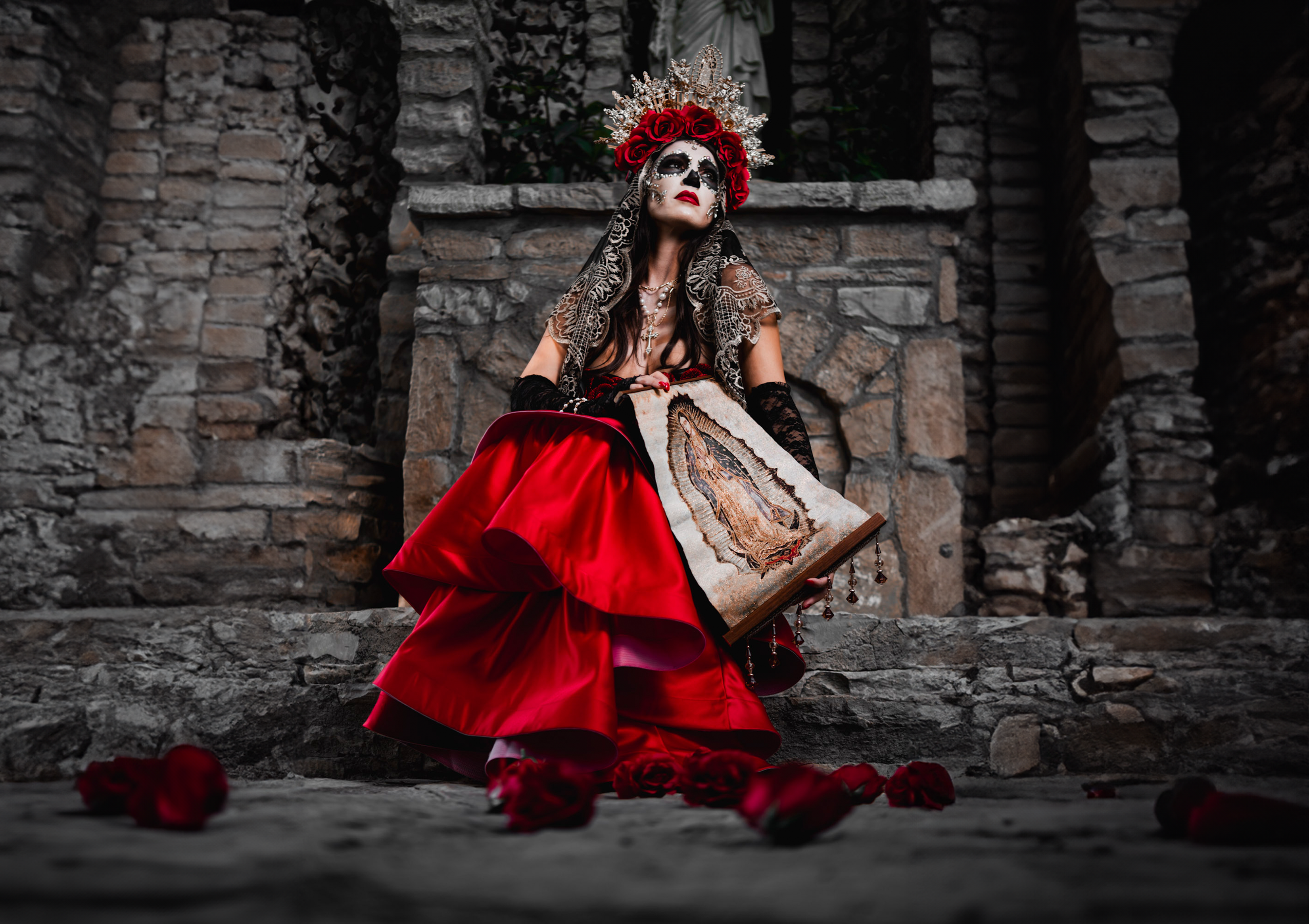
CASTILLA
“Castilla” refers to the origin of the flowers that Juan Diego, a man of Aztec descent, gathered as proof that the apparitions of the Virgin of Guadalupe were real in 1531, Mexico.
-
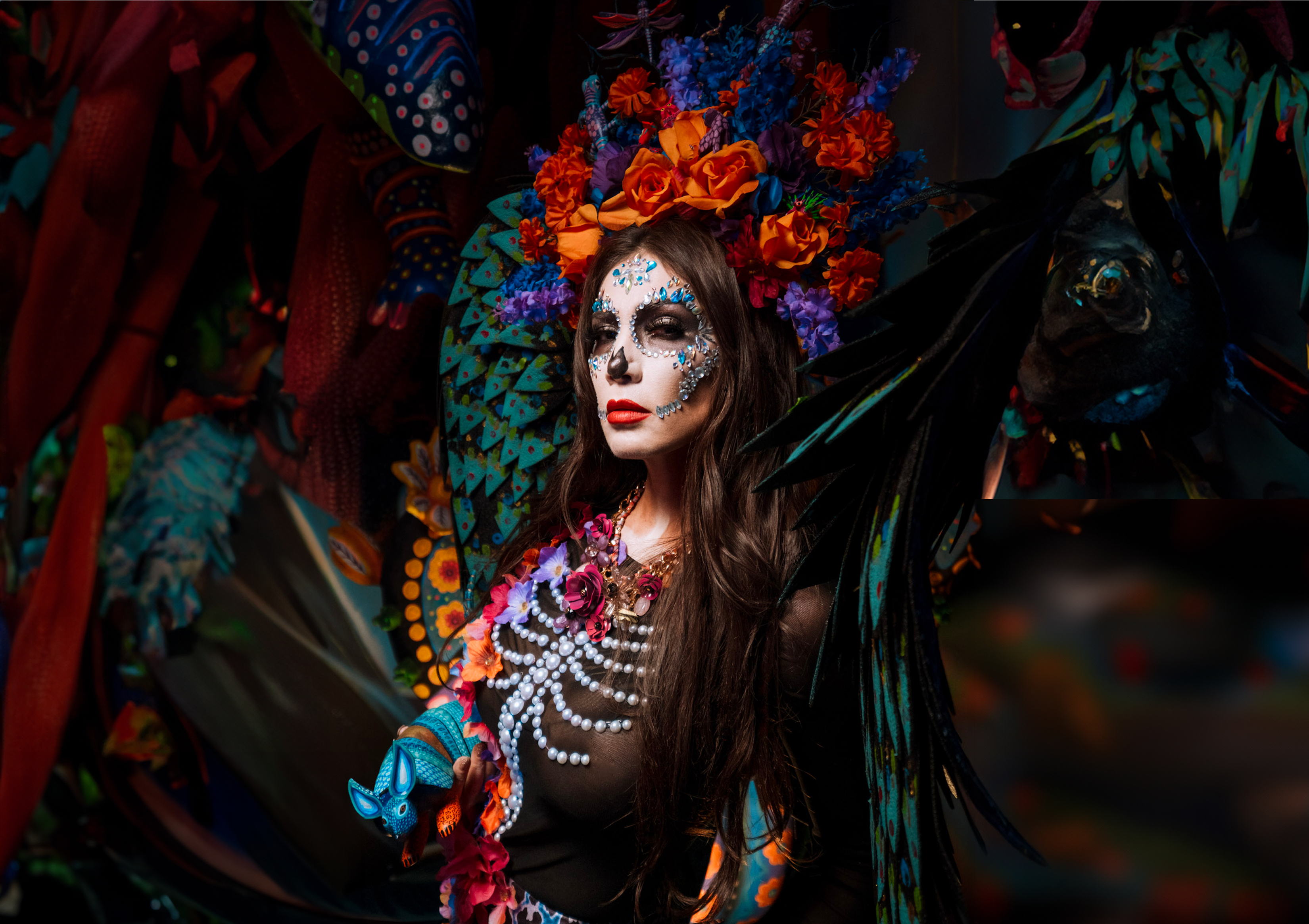
ALEBRIJE
Catrina Alebrije merges the elegance of La Catrina with the vibrant imagination of Alebrijes, blending two iconic traditions of Mexican culture. This figure honors the spirit of Día de Muertos while bringing to life the colorful world of mythical creatures born from folk artistry.
-
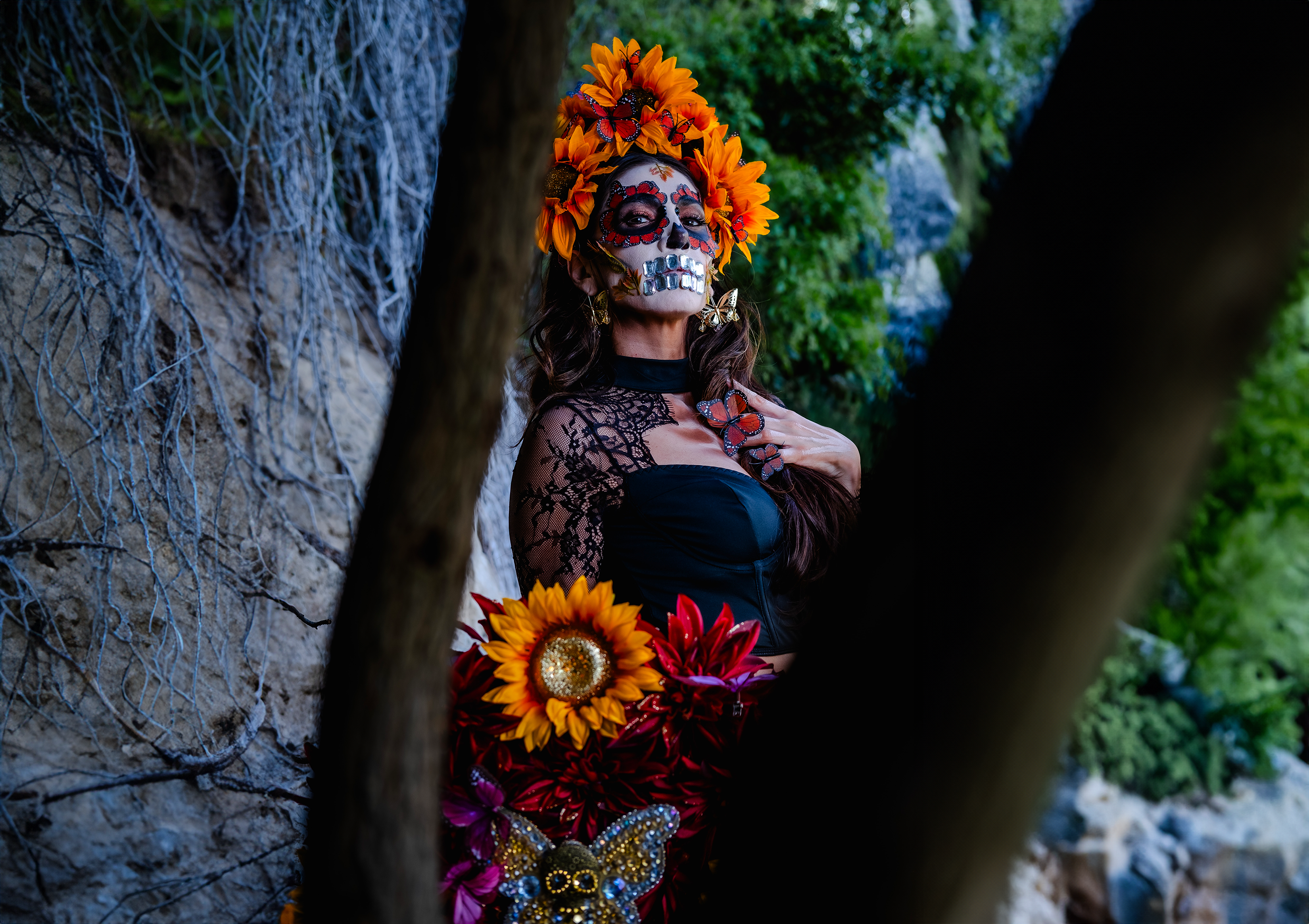
MONARCA
The Monarch butterflies arrive at their winter home in Mexico every fall on November 1st during the Día de los Muertos celebration. According to traditional belief, the Monarchs are the souls of ancestors returning to Earth for their annual visit.