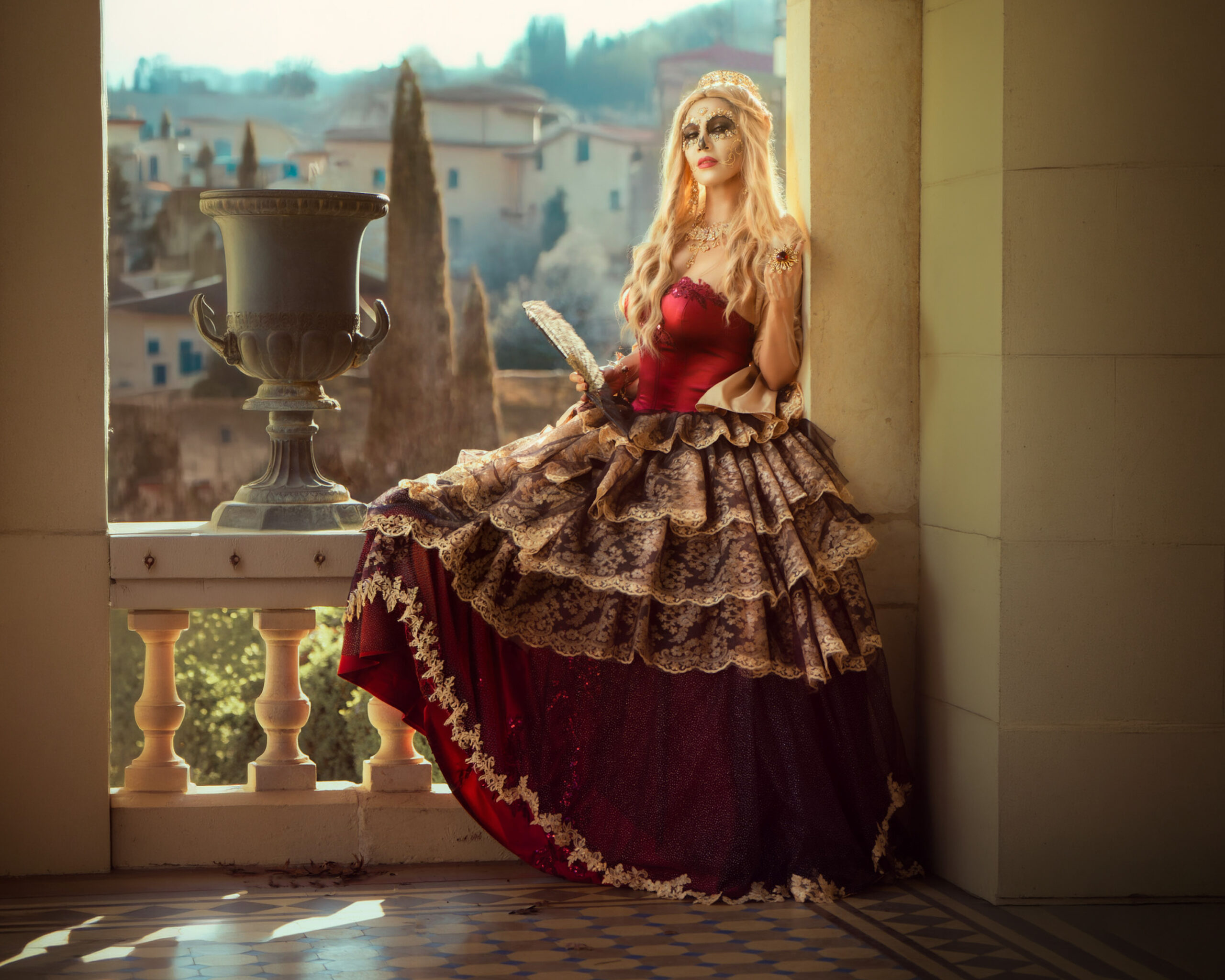
María Ignacia Rodríguez de Velasco, known to history as La Güera Rodríguez, was one of the most controversial and compelling figures of New Spain. Born into privilege in 1778, she was an aristocrat by lineage, but it was her intellect, presence, and political awareness that distinguished her. At a time when women were expected to remain silent and peripheral, she moved with confidence among viceroys, clergy, military leaders, and intellectuals, occupying spaces where decisions were made and futures were shaped.
Her salons were not simply gatherings of high society. They were environments of influence. Within her home, correspondence circulated discreetly, alliances took form, and ideas moved between those who would alter the course of a nation. Through education, social standing, and strategic proximity to power, María Ignacia positioned herself not as a spectator of history, but as one of its quiet participants.
Her life unfolded alongside the final years of colonial rule and the fragile emergence of Mexican independence. Some historical accounts, including that of Vicente Rocafuerte, attribute to her the drafting or intellectual shaping of the Plan de Iguala, the founding political framework that secured Mexico’s independence in 1821. Whether she authored the document, influenced its ideas, or served as a trusted intermediary remains debated. Yet historians agree on what cannot be dismissed. She had access to private conversations, confidential exchanges, and the inner circles of political negotiation during one of the most decisive moments in Mexican history.
Her influence did not come without consequence. She was investigated and tried twice by the Inquisition, accused of political dissent and moral impropriety, charges often used to silence those who disrupted the expected order. She endured exile, public scrutiny, and attempts to reduce her legacy to rumor and romance, rather than recognize her intellect and agency. These efforts reflect the discomfort of a society confronted by a woman who exercised autonomy in a world structured to deny it.
Legend preserves one of the most symbolic moments of her life. It is said that Agustín de Iturbide, upon entering Mexico City after the triumph of independence, redirected the celebratory procession so it would pass before her balcony. Whether fact or embellished memory, the gesture reflects how deeply her presence was associated with the independence movement and its culmination.
María Ignacia Rodríguez de Velasco lived at the intersection of visibility and discretion, authority and constraint. She represents a form of influence often omitted from official records but carried through private networks, intellectual exchange, and personal conviction.
Through its historical iconography, iLaCatrina® honors María Ignacia Rodríguez, whose influence helped shape the course of Mexican history.
Special thanks and recognition to our location partner Villa Finale Museum and Gardens for their support in making this tribute possible.

CREDITS
Concept and Design by @iLaCatrina
Executive Producer & Edition @ararom.producer
Film & Content Producer @lotusocialmedia
Professional Photography by @doc.shots_